Why Headshot Styling Is a Strategy, Not Just an Outfit Choice
A professional female headshot is a visual business asset, so what you wear and what sits behind you should be treated like brand design—intentional, consistent, and aligned with your goals. Before choosing clothing, define the “job” of the photo: Is it a corporate leadership portrait, a friendly service-provider image, a creative-industry personal brand, or a polished but approachable profile for speaking engagements? The same blazer that signals authority in a finance context may feel too formal for a wellness coach, while a bright statement color that looks energetic for a marketer can read distracting for a lawyer.
Your headshot must communicate credibility within one second, and it does that primarily through three variables: silhouette (how structured or relaxed your outfit looks), color (how the tones interact with your skin and the backdrop), and texture (how fabrics catch light). In a still photograph, small decisions become loud signals: shiny fabrics can reflect studio lights; busy patterns can pull attention away from your face; a neckline that looks elegant in person can become the focal point in a tight crop. The goal is to make your face the “hero,” with everything else supporting it. This is why the outfit and backdrop must be planned together, not separately.
A great headshot is not about wearing the most fashionable item you own; it is about wearing the most photograph-friendly version of your professional identity. When you get this right, your headshot becomes flexible—usable for LinkedIn, a company website, press kits, speaker bios, proposals, business cards, and social profiles—without feeling mismatched. Treat your clothing and backdrop like a controlled environment where you manage contrast, harmony, and visual hierarchy. Once you adopt this mindset, the decisions become simpler: choose shapes that flatter and read clearly on camera, select colors that elevate your complexion and convey your industry tone, and coordinate backdrop colors that reinforce the message rather than fight it.
Start With Your Brand Message and Audience Expectations
The “best” headshot outfit is the one that your target audience instantly recognizes as appropriate and trustworthy. Consider what your audience expects you to look like when you show up to solve a problem. If you are a senior leader, the photo should project clarity, decisiveness, and calm authority; structured tailoring, clean lines, and restrained color palettes typically serve this. If you are client-facing in a relationship-based service (realtor, consultant, therapist, educator, customer success), the image should project approachability and competence; softer textures, warm tones, and gentle contrast often work well.
If you work in a creative field (design, media, fashion, entrepreneurship), you have more flexibility to incorporate statement elements, but you still want a professional anchor—clean grooming, intentional styling, and a cohesive palette—so it reads “creative” rather than “casual.” A useful approach is to choose three brand adjectives—such as “confident, modern, warm”—and let them guide every choice. “Confident” might mean a structured blazer or a strong neckline; “modern” might mean minimal accessories and solid colors; “warm” might mean inviting tones (soft blues, warm neutrals, muted reds) and a friendly smile. You also want to align with your platform: LinkedIn and corporate bios typically reward timeless, conservative styling; speaker and author bios can support slightly more personality; team pages should match organizational consistency. If you’re part of a company, ask whether there is a style standard for headshots (some firms prefer dark suits on a neutral background, while others embrace casual modern looks). If you’re building a personal brand, you can “design” your own standard so all images across your website, thumbnails, and marketing materials feel consistent.
This is especially important for blogs and service websites: the headshot often appears on author boxes, About pages, testimonials, and lead magnets, so your outfit should be a reliable extension of the brand rather than a trend that will feel dated in six months.
Camera Reality: Fit, Necklines, and Proportions That Photograph Well
The camera compresses depth and exaggerates whatever is closest to it, so the best headshot outfits are chosen for how they read in a chest-up crop. Prioritize fit and structure first. Garments should skim, not cling; wrinkles, gaping buttons, and shoulder seams that sit too wide or too tight can make an outfit look borrowed. Tailoring matters more than price. If you wear a blazer, make sure the shoulders are crisp and the sleeves do not bunch; if you wear a knit top, ensure it lays flat and doesn’t roll at the neckline. Necklines are crucial because they frame your face. In most cases, moderate V-necks, scoop necks, and clean crew necks work well—each creates a different impression.
A V-neck elongates and can feel confident and open; a crew neck can feel strong and modern; a scoop neck can feel approachable and soft. Extremely low necklines can distract, and very high tight necklines can visually shorten the neck and add heaviness—especially if paired with a strong backdrop contrast. Collars can be excellent for authority (button-downs, structured collars), but avoid collars that flare awkwardly or sit unevenly. Consider layering to create dimension: a blazer over a top, a cardigan over a blouse, or a structured jacket over a simple dress can add depth without introducing patterns. Also plan for how your outfit interacts with your hair. If you wear your hair down, a high neckline plus hair covering the shoulders can create a “blocked” look; in that case, a V-neck or open collar often creates breathing room. If your hair is up, a higher neckline can look very elegant and editorial.
Finally, avoid anything that will cause micro-distractions: tops that twist, fabrics that show sweat easily, or straps that need constant adjustment. The ideal headshot outfit is low-maintenance during the shoot so you can focus on expression, posture, and connection.
Fabric and Texture: How to Look Expensive and Polished on Camera
In photography, fabric choice can elevate a simple outfit into something that looks premium and professional. Matte and semi-matte fabrics generally photograph best because they absorb and diffuse light, preventing glare. Think ponte knit, matte crepe, structured cotton, wool blends, brushed knits, and high-quality synthetics designed to drape cleanly. Ultra-shiny satin, sequins, metallic threads, and high-gloss leather can reflect studio lights and create bright hotspots that pull attention away from your face. Similarly, very thin clingy fabrics can show underlayers and create bunching, while overly stiff fabrics can look boxy in a tight crop. Texture is helpful—but it should be subtle.
A fine knit, a slight rib, a tweed with small scale, or a blouse with minimal weave interest can add depth without distraction. If you love patterns, choose micro-patterns cautiously; small repeating patterns (tiny checks, tight stripes, small dots) can cause moiré—an odd visual ripple effect that looks messy on digital screens. Large patterns can also dominate the frame.
The safest route for most headshots is solid colors or very subtle texture. Also consider how fabric communicates industry tone: crisp suiting fabrics and clean weaves signal authority; softer knits and gentle drapes signal approachability; creative textures (architectural pleats, modern weaves) can signal artistic identity when used sparingly.
Another camera detail: lint, pet hair, and fabric pilling are far more visible in high-resolution headshots than in real life. Dark fabrics show lint easily; light fabrics show stains and wrinkles. Choose fabrics that look clean, press well, and stay smooth during movement. If you want a timeless headshot that works for years, prioritize classic materials in modern cuts rather than trendy fabrics.
Color Theory for Headshots: Contrast, Undertones, and the “Face-First” Rule
Color is the fastest way to either flatter your complexion or unintentionally drain it. Start with the “face-first” rule: the best headshot color palette is one that makes your skin look healthy, your eyes bright, and your features clear—before any editing. Your ideal palette depends on undertones (warm, cool, neutral) and contrast level (the difference between your hair, skin, and eye colors). Warm undertones often glow in creamy neutrals, warm blues, olive, rust, coral, and camel; cool undertones often shine in crisp whites, cool blues, emerald, magenta-leaning berry tones, and charcoal; neutral undertones can wear a wider range but still benefit from intentional saturation. Contrast matters because headshots live in small circles and thumbnails. If your outfit color is too close to your skin tone, you may blend into the image, especially on a light background. If it’s too high-contrast (for example, a stark bright white top on a very dark background), the clothing can dominate.
The most reliable approach is medium contrast: a color that separates you from the backdrop but doesn’t overpower your face. Consider saturation as well. Highly saturated colors (bright red, neon tones) can reflect onto skin and create unnatural color casts. Muted, rich tones (deep teal, burgundy, forest green, navy) often look sophisticated and photograph beautifully. Neutrals can also work—charcoal, navy, cream, taupe—but choose neutrals with the right undertone; an icy grey can make warm skin look dull, while a warm beige can make cool skin look sallow. If your brand is bold, you can absolutely wear brighter colors, but pick shades that harmonize with your complexion and keep the rest of the outfit simple so color feels intentional, not loud.
The Most Reliable Outfit Colors for Professional Female Headshots
If you want “high success rate” colors that work across many skin tones and industries, start with navy, deep teal, charcoal, mid-to-deep blue, forest green, and berry/burgundy. These tones tend to photograph well, maintain detail in shadows, and keep attention on the face. Navy and charcoal are classic alternatives to pure black, which can sometimes look flat or harsh in certain lighting. Deep teal is a standout because it feels modern and confident while remaining professional. Forest green can look premium and grounded, especially when paired with minimal jewelry. Burgundy and berry tones can convey warmth and sophistication; they are often more flattering than bright red, which can dominate the frame and reflect onto skin. Crisp white can look powerful and clean, but it requires careful lighting and styling: pure bright white can blow out (lose detail) under strong lights, and it can create high contrast that draws the eye downward. If you choose white, consider off-white, ivory, or a structured white shirt under a blazer to balance the brightness.
Black can be elegant and slimming, but in headshots it sometimes lacks dimension unless you add texture (a matte weave, a subtle knit) or a layer (jacket, necklace) to break up the darkness. Pastels can work if they are not too pale compared to your skin; choose pastels with enough depth (dusty rose, soft slate blue, muted lavender) and pair them with a backdrop that ensures separation.
The “avoid” list for most people includes neon colors, overly bright saturated hues that bounce color onto the face, and very busy patterns. None of these are absolute rules, but they are common reasons headshots look less premium than they should.
Industry-Specific Outfit Guidance: Corporate, Client-Facing, and Creative
For corporate leadership, finance, law, and formal environments, structure is your ally. A well-fitted blazer with a simple top signals authority; a tailored dress with a clean neckline also works well. Keep accessories minimal and classic: small earrings, a watch, or a subtle necklace that doesn’t shine. For client-facing professionals—real estate, consulting, healthcare administration, education leadership—aim for a balance: structured pieces that show competence, softened by approachable colors and textures. A blazer in a softer neutral, a knit jacket, or a blouse with minimal detail can create warmth without sacrificing professionalism.
For creative industries, the “professional” anchor remains essential, but you can add a signature element: a statement color that matches your brand palette, an architectural neckline, a modern jacket, or an intentional accessory. The key is to keep the statement singular; if you do bold color, keep patterns quiet; if you do an interesting jacket, keep the top simple. For entrepreneurs, personal brands, and content creators, think in terms of repeatable identity: choose an outfit style that you can recreate for future shoots so your visuals remain consistent as your business grows.
Also consider role clarity: if you want to be hired for strategic leadership, dress closer to leadership; if you want to be hired for creative execution, add a refined creative cue. Your headshot should match the job you want, not only the job you have.
Backdrop Basics: Choosing a Background That Supports Your Face and Brand
Backdrop color is not a decorative afterthought; it controls mood, contrast, and perceived professionalism. Neutral backdrops (light grey, medium grey, off-white, beige) are common because they are versatile and keep attention on the subject. A medium grey backdrop often flatters many skin tones and makes editing easier while still looking modern. White backdrops can look clean and commercial, but they require excellent lighting and separation so you don’t look washed out. Dark backdrops (charcoal, deep navy) can look cinematic and premium, especially for leadership portraits, but they require careful wardrobe selection to avoid blending into the background. Colored backdrops can be very effective for personal brands, but they must be chosen strategically: the color should complement skin tone and outfit, not compete.
The simplest principle is controlled contrast—enough separation between you and the background so your face stands out, but not so much contrast that the background becomes the first thing viewers notice. Also consider texture: seamless paper backdrops look crisp and modern; textured studio backdrops can add depth, but heavy texture can distract in digital thumbnails. Environmental backdrops (office, outdoors, studio interior) can work if they are clean, softly blurred, and aligned with your brand. If the environment is messy or too busy, it will reduce perceived professionalism regardless of outfit.
Outfit and Backdrop Pairings That Consistently Work (And Why)
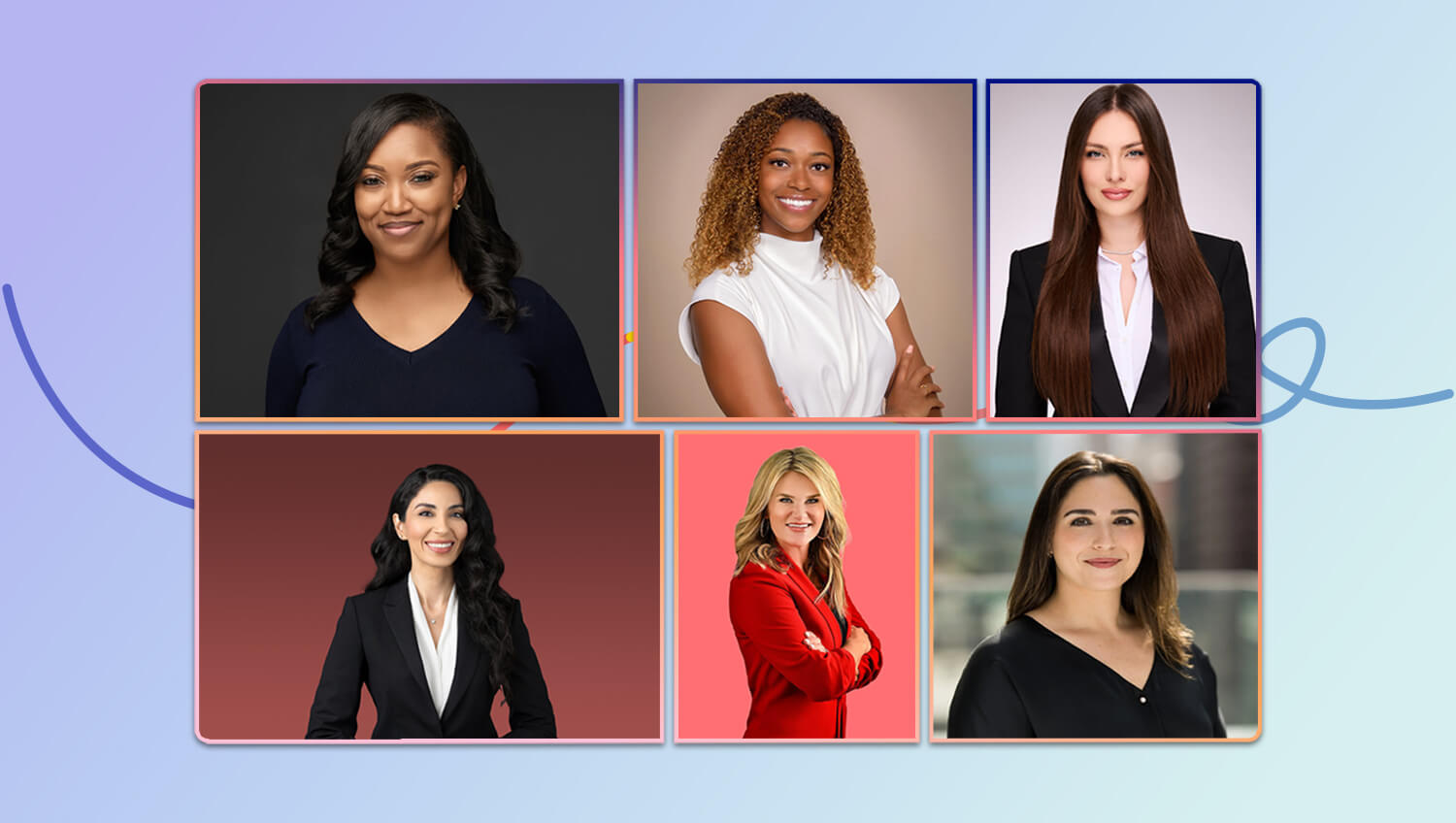
Some pairings reliably create flattering, professional images. Deep jewel tones (navy, teal, emerald, burgundy) on a light-to-medium neutral backdrop often produce a clean, premium look with strong subject separation. Light outfits (cream, soft white, pale blue) usually pair best with medium-to-dark backdrops that prevent blending and keep facial features defined. Mid-tone outfits (grey, muted colors) can work on both light and dark backgrounds, but you must ensure enough separation; if your outfit and backdrop are too similar, you’ll look “flat.” Monochrome styling—wearing a top that is close in tone to the backdrop—can be fashionable, but it is higher risk for professional headshots because it can reduce clarity in small profile images. If you do want a cohesive, tonal look, introduce separation with a darker jacket, a neckline contrast, or a subtle accessory. Also be mindful of color cast: bright backdrops (especially strong greens, blues, or reds) can reflect onto skin and change how your complexion looks.
A photographer can manage this with lighting and white balance, but you can reduce the risk by choosing slightly muted backdrop colors and keeping the outfit within a harmonious palette. If your headshot is for WordPress blog branding, match your site palette: a headshot that harmonizes with your site’s primary colors looks “built-in” to the design rather than pasted on.
Makeup, Hair, and Accessories: Professional, Camera-Friendly, and Timeless
In headshots, grooming reads as professionalism. Makeup should be camera-ready but not heavy: even skin tone, defined brows, and subtle eye definition typically help features read clearly under bright lights. Overly shimmery highlighter can create glare on the forehead and cheeks; matte or satin finishes are usually safer. Lip color matters more than many expect because it shapes facial contrast; extremely nude lips can make the face look washed out, while very bright lipstick can dominate. Choose a shade that looks like a refined version of your natural lip tone, aligned with your brand. Hair should be controlled but not stiff: flyaways are visible in high-resolution images, but overly rigid styling can look unnatural. If you’re undecided, a simple, polished style that frames the face—without hiding it—is typically the most versatile. Accessories should be intentional and quiet. Small-to-medium earrings are usually safer than large statement pieces that compete with facial features.
Necklaces can work well if they sit flat and do not reflect light; avoid very sparkly stones unless you are certain the lighting will not create hotspots. Glasses are absolutely acceptable and can signal intelligence and authenticity, but ensure lenses are clean and consider anti-reflective coating; glare can be difficult to remove in editing. The guiding idea is that styling should read as “put together,” not “going to a party,” unless your brand specifically calls for high fashion.
What to Avoid: Common Headshot Mistakes That Reduce Quality
Many headshots fail not because the person looks bad, but because the styling creates distractions or technical issues. Avoid loud patterns, tiny stripes, and tight checks that can create moiré and visual noise. Clothing that wrinkles easily can be avoided—wrinkles photograph as “messy,” even if the outfit is expensive. You may avoid overly trendy elements that may date quickly: dramatic cut-outs, extreme puff sleeves, novelty prints, and ultra-seasonal colors can limit the headshot’s lifespan. Also, avoid tops that are too tight or too loose; both can create unflattering lines and reduce confidence in posture. Avoid heavy shine from satin, glossy fabrics, or excessive shimmer makeup that catches light unpredictably. Avoid poorly coordinated outfit-backdrop combinations, such as a light beige top on a cream background or a black blazer on a dark charcoal backdrop with no separation—these choices can erase your silhouette. Also avoid last-minute experiments.
A headshot session is not the ideal time to test a new hairstyle, unfamiliar makeup style, or a top you’ve never worn; unfamiliar styling often shows as discomfort. Your goal is calm confidence, and comfort supports that. Finally, avoid ignoring the crop: if the image will be used as a circular thumbnail, ensure your outfit does not rely on details that will be cut off and ensure the neckline framing remains flattering when only the upper chest and shoulders are visible.
A Practical Pre-Shoot System for WordPress Bloggers and Professionals
To reliably create a headshot that looks high-end across a professional website and professional platforms, build a simple, repeatable system: choose two outfit options that match your brand adjectives (one slightly more formal, one slightly more approachable), and coordinate each with a backdrop plan. Test combinations in natural light using your phone camera in portrait mode and review the images at thumbnail size—this is where you will notice if colors wash you out, patterns distract, or the neckline isn’t framing well. Ensure fit is perfect: steam garments, check lint, and confirm that collars sit evenly. Decide your jewelry in advance and keep it minimal; choose pieces that won’t reflect harshly. I
f your brand uses specific colors on your site (for example, a signature deep red, navy, or teal), incorporate that color in your outfit or backdrop subtly so your headshot visually integrates with your website design. If you plan to use multiple headshots over time—author bio, About page, media kit, course thumbnails—standardize your look: similar neckline, consistent hair styling, and a stable color palette. This creates brand recognition and makes your visuals feel cohesive. If you do your own headshots, use a clean backdrop, face a window for soft light, and step a few feet away from the background to create depth. If you hire a photographer, communicate your intended uses (LinkedIn, Blog author box, press kit) so they frame and light accordingly.
The most professional headshots are the ones that look effortless—because the decisions were made ahead of time. When outfit and backdrop are coordinated with intention, your face becomes the focus, your brand reads clearly, and your image works everywhere you need it to.