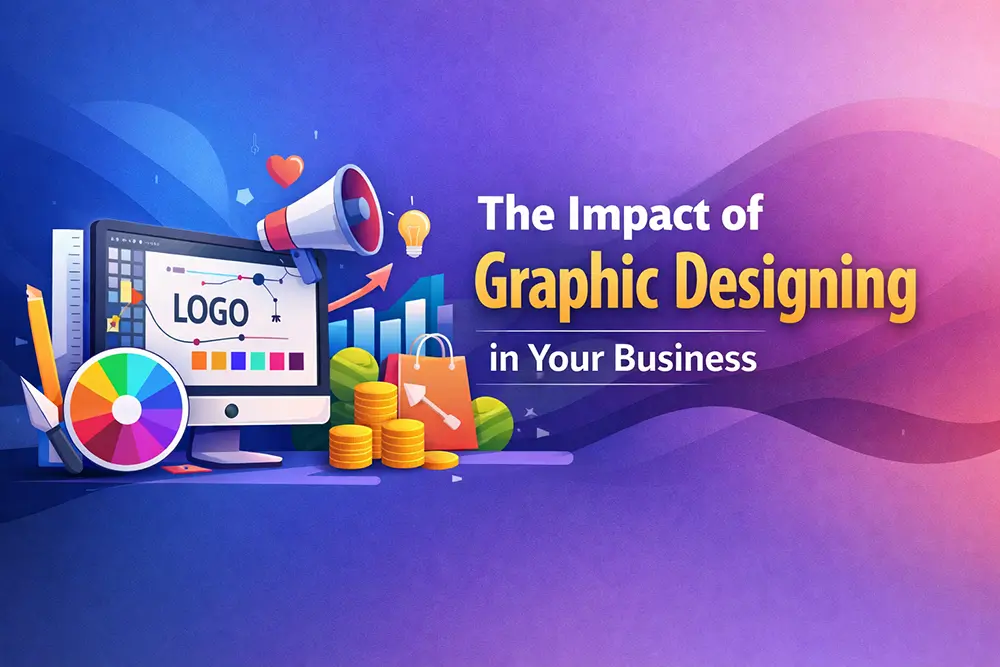
The Growing Importance of Graphic Design in Modern Business
In today’s highly competitive business environment, success is no longer determined only by the quality of a product or service. While quality remains essential, the way a business presents itself visually has become equally important. This is where graphic designing plays a major role. Graphic design is much more than decoration or visual beautification. It is a strategic business tool that shapes perception, builds trust, improves communication, and influences customer decisions.
Every day, customers are exposed to thousands of visual messages from brands across websites, social media platforms, advertisements, packaging, billboards, emails, and digital marketplaces. In such a crowded space, businesses must find a way to stand out quickly and effectively. Strong graphic design helps a business capture attention, express its identity, communicate its value, and create a memorable impression.
The impact of graphic designing in business extends into nearly every area of operation. It affects branding, marketing, sales, customer engagement, digital presence, corporate communication, and long-term business growth. A well-designed brand often appears more reliable, more professional, and more established than one with weak or inconsistent visuals. This advantage can directly influence how customers feel, what they remember, and whether they choose to buy.
For startups, graphic design helps create a professional image from the beginning. For growing businesses, it supports brand consistency and market expansion. For established companies, it strengthens customer loyalty and keeps the brand relevant in a changing market. Regardless of company size or industry, graphic design has become an essential part of building and maintaining a successful business identity.
This article explores the impact of graphic designing in your business in depth. It explains how design affects customer perception, marketing results, brand recognition, communication quality, online presence, sales growth, and competitive advantage. It also shows why investing in professional design is not a luxury, but a smart and strategic business decision.
Understanding Graphic Design as a Business Asset
Many people think of graphic design only as the process of making something look attractive. While appearance is part of design, the business value of graphic designing goes far beyond aesthetics. Graphic design is a practical and strategic method of visual communication. It helps businesses deliver messages clearly, attract the right audience, and position themselves effectively in the market.
A logo, brochure, product label, website banner, business card, social media post, presentation deck, packaging layout, and advertisement are all forms of business communication. When these are designed professionally, they become tools that support business goals. They tell customers what the company stands for, what quality to expect, and why the brand deserves attention.
Graphic design is a business asset because it creates structure and meaning in communication. Good design guides the customer’s attention, organizes information, makes messages easier to understand, and creates emotional appeal. It helps turn ordinary business materials into powerful branding and marketing instruments.
For example, when a customer visits a website, the first impression is largely visual. The layout, colors, typography, spacing, images, and overall style work together to create an instant emotional response. If the design feels clean, modern, and trustworthy, the customer is more likely to stay and explore. If the design feels confusing, outdated, or poorly arranged, the customer may leave within seconds.
In the same way, design affects offline experiences too. A poorly printed catalog, an unattractive product box, or a cluttered flyer can reduce interest in a product, even if the product itself is excellent. Strong design increases perceived value, while weak design reduces it.
That is why graphic design should not be treated as an afterthought. It should be viewed as an active business asset that supports visibility, professionalism, and growth.
First Impressions: How Graphic Design Shapes Customer Perception
First impressions are incredibly powerful in business. Research and practical experience both show that people form opinions very quickly, often within a few seconds. Before a customer reads detailed information about a business, they usually react to what they see. This visual reaction can influence whether they trust the brand, feel curious about it, or decide to move away.
Graphic design plays a central role in that first impression. It creates the initial look and feel of a business. A polished logo, cohesive color palette, clear typography, attractive website layout, and professional marketing materials immediately communicate seriousness and quality. These visual signals tell customers that the business is organized, confident, and capable.
On the other hand, poor graphic design can create doubt. If branding appears inconsistent, the colors clash, the layout feels messy, or the visuals look outdated, customers may assume that the business itself lacks attention to detail. This judgment may not always be fair, but it is very real in the marketplace.
A customer who sees a professionally designed brand is more likely to believe that the company values quality, cares about presentation, and takes its work seriously. This matters especially in industries where trust is essential, such as retail, manufacturing, real estate, healthcare, hospitality, education, technology, and e-commerce.
In competitive markets, customers often compare several businesses before making a decision. If one company presents itself better visually, it can gain an immediate advantage even before the sales conversation begins. In many cases, design becomes the reason one brand gets noticed while another gets ignored.
This is why the impact of graphic designing in your business begins at the very first moment of customer contact. Before the product is tested, before the service is experienced, and before a call is made, the design is already speaking on behalf of the business.
Building a Strong Brand Identity Through Graphic Design
Brand identity is one of the most valuable business assets a company can develop. It is the visual and emotional personality of the brand. Graphic design is the foundation of that identity. Through design, a business becomes recognizable, memorable, and distinct from competitors.
A strong brand identity includes visual elements such as a logo, brand colors, fonts, icons, layout style, image treatment, packaging design, and marketing templates. These elements may seem simple on their own, but together they create a complete visual language that customers associate with the business.
When a business uses consistent graphic design across all touchpoints, it becomes easier for customers to recognize and remember the brand. Repetition builds familiarity, and familiarity builds trust. Customers are naturally drawn to brands that feel stable and visually consistent because consistency suggests professionalism and reliability.
Graphic design also helps define brand personality. A luxury brand may use elegant typography, minimal layouts, and refined colors. A youthful brand may use bold colors, playful shapes, and dynamic visuals. A corporate brand may choose structured layouts, clean lines, and formal design elements. These choices are not random. They help position the business in the minds of customers.
Without strong graphic design, a brand may struggle to create a clear identity. It may appear generic, forgettable, or disconnected. This makes it harder to compete, especially when customers have many options.
In addition, strong branding makes expansion easier. A business with a clear visual identity can create new advertisements, packaging, websites, catalogs, and campaigns without losing its core image. Everything stays connected, which strengthens brand recall and customer confidence over time.
The impact of graphic designing in business branding is therefore both immediate and long-term. It helps create recognition today and builds reputation for tomorrow.
The Role of Graphic Design in Marketing Success
Marketing is about reaching the right audience with the right message in the right way. Graphic design helps make that message visible, attractive, and effective. No matter how strong the offer is, poor presentation can reduce its impact. Strong design, however, can turn a simple message into a compelling marketing asset.
Advertisements compete for attention in a busy world. Whether a business is running social media ads, printing flyers, sending promotional emails, designing product posters, or publishing website banners, graphic design determines how easily the audience notices and understands the message.
Good marketing design does several things at once. It captures attention, organizes information, highlights key benefits, supports the brand identity, and encourages action. It leads the eye through the content in a logical way. It ensures that the most important message stands out. It makes the design visually appealing without overwhelming the audience.
For example, a social media post with a strong design is more likely to stop a user from scrolling. A well-designed email banner can increase click-through rates. A clean, attractive brochure can make products more understandable and desirable. A promotional poster with balanced visuals and typography can improve recall and boost response.
Graphic design also improves campaign consistency. When all promotional materials follow the same visual style, the campaign feels more professional and trustworthy. Customers begin to associate the visuals with the brand, which strengthens marketing performance over time.
Another important factor is emotional impact. Design can create urgency, confidence, excitement, elegance, warmth, or reliability depending on the chosen style. These emotional responses influence how customers react to marketing messages.
In modern marketing, where content moves quickly and attention spans are limited, design has become essential. Businesses that invest in strong visual marketing often achieve better engagement, stronger brand recognition, and higher conversion rates.
Improving Communication with Clear and Effective Visuals
Communication is at the heart of every business. A company must explain what it offers, how it works, why it matters, and what customers should do next. Graphic design makes this communication easier, clearer, and more effective.
People process visuals faster than plain text. A well-designed chart, infographic, catalog, banner, product card, service brochure, or website section can communicate important information much more quickly than long paragraphs of writing. This is especially useful in a market where customers often scan rather than read deeply.
Graphic design improves communication by organizing information in a visually logical way. It uses layout, spacing, color contrast, typography, icons, and imagery to guide understanding. Important points become easier to notice. Complex information becomes easier to absorb. The overall message becomes more user-friendly.
This is highly valuable for businesses that offer multiple products, detailed services, pricing packages, technical specifications, or process-based solutions. Customers are more likely to understand and remember information when it is presented visually and professionally.
For example, a product catalog with strong design helps customers compare options more easily. A service presentation with clear headings and icons makes the offer easier to follow. A price list with smart formatting reduces confusion. A packaging label with strong visual hierarchy helps the customer find key information quickly.
Clear design also reduces misunderstandings. When information is arranged poorly or visually cluttered, customers may miss important details or feel frustrated. That frustration can lead to lost trust or lost sales. Good design avoids this problem by improving the flow of information.
In internal communication, graphic design can also help teams work more effectively. Employee handbooks, training materials, presentations, charts, and internal notices all benefit from better visual design. This makes communication more professional both inside and outside the business.
How Graphic Design Builds Trust and Professionalism
Trust is one of the strongest drivers of customer decision-making. People prefer to do business with companies that feel dependable, organized, and professional. Graphic design contributes significantly to that trust.
A business that invests in strong visual presentation sends a clear message: it cares about quality and pays attention to detail. This perception extends beyond the design itself. Customers often assume that if the business is careful about branding and communication, it is also careful about products, services, and customer support.
Professional graphic design creates a sense of stability. It makes a business look established and serious. This is especially important for new businesses that are still building market credibility. With the right design, even a small company can appear polished and trustworthy.
Trust is influenced by visual consistency as well. If a business uses different fonts, random colors, inconsistent logos, and poor-quality images across its platforms, customers may feel uncertain. Inconsistency creates confusion, and confusion weakens trust. But when branding remains consistent across the website, packaging, advertising, social media, and print materials, the company feels more reliable.
Graphic design also affects trust through clarity. Customers feel more comfortable when information is easy to read, easy to find, and presented professionally. A cluttered or unbalanced design can make a business appear careless. A structured and elegant design reassures customers that the company is competent.
In industries where competition is high and customer trust is hard to earn, design becomes a silent reputation builder. It cannot replace honest service or product quality, but it can strongly support them by presenting the business in the best possible light.
Increasing Sales Through Better Presentation
Sales are influenced by many factors, including pricing, quality, timing, customer need, and service. However, presentation often determines whether a customer pays attention in the first place. Graphic design plays a direct role in making products and services more attractive, more understandable, and more desirable.
Customers do not buy products only because of function. They also respond to appearance, emotion, convenience, and perceived value. Good graphic design improves all of these factors. It helps products look premium, services feel organized, and offers appear more persuasive.
In retail and e-commerce, presentation is critical. Product images, packaging, labels, promotional banners, website layouts, and catalog pages all contribute to buying decisions. Even when two businesses sell similar products, the one with better design often looks more valuable and more professional.
Packaging design is a powerful example. A well-designed package can attract attention on a shelf, reflect brand quality, communicate key features, and create a memorable customer experience. Similarly, an online product page with clean design and strong visual hierarchy can improve trust and conversion rates.
Graphic design also supports call-to-action performance. Buttons, banners, offer cards, and ad creatives that are visually clear and strategically designed are more likely to generate clicks, inquiries, and sales. Design helps remove friction by making the next step obvious and appealing.
In service businesses, design plays a similar role. A polished company profile, proposal, brochure, or presentation can make the offer feel more valuable. It can help clients understand the service better and feel more confident about making a purchase.
When customers feel that a brand looks professional, organized, and attractive, they are more likely to believe that the brand will deliver a satisfying experience. That confidence can directly translate into higher sales.
Graphic Design and Digital Presence in the Online Era
Modern businesses operate in a digital-first world. Customers often discover brands online before interacting with them offline. This means that a company’s digital presence has become one of its most important business assets. Graphic design is central to building that presence.
A business website is often the digital face of the brand. If the design is modern, user-friendly, and visually aligned with the brand identity, visitors are more likely to stay longer and explore further. If the website looks confusing or outdated, visitors may leave immediately.
Graphic design improves website performance by enhancing layout, readability, navigation, image presentation, and overall user experience. It helps create pages that look professional and guide visitors smoothly toward important information or actions.
Social media is another area where design has major impact. On platforms like Facebook, Instagram, LinkedIn, Pinterest, and others, visuals are often the first thing users notice. Businesses that use strong graphic design in posts, reels covers, story templates, ad creatives, and promotional graphics are more likely to attract attention and create engagement.
Email marketing also benefits from design. Professionally designed email headers, product sections, promotional blocks, and branded visuals make email campaigns more appealing and easier to read. This can improve open rates, engagement, and click performance.
In digital advertising, graphic design directly affects campaign results. A strong ad creative can significantly improve click-through rates and brand recall. Design determines whether the ad looks trustworthy, relevant, and worth responding to.
In short, graphic design is no longer optional in digital business. It is a core requirement for visibility, usability, and online credibility.
SEO Benefits of Graphic Design in Content Marketing
Graphic design is often associated with branding and advertising, but it also supports search engine optimization and content marketing. While search engines primarily read text and technical structure, user behavior plays a major role in SEO performance. Design influences that behavior in important ways.
A well-designed webpage encourages visitors to stay longer, explore more sections, and engage with the content. These are positive user signals. When pages are visually structured, easy to read, and supported with relevant images or infographics, users are more likely to remain on the site and interact with it.
Graphic design improves content readability. Clear headings, proper spacing, visual breaks, icons, and supportive graphics make long-form content easier to consume. This reduces bounce rate and improves overall user experience.
High-quality visuals also increase shareability. Articles with featured images, branded infographics, charts, and clean layouts are more likely to be shared on social media, included in newsletters, or referenced by other websites. This can lead to more traffic and potential backlinks, which support SEO growth.
Visual branding in blog content also strengthens recognition. When all content follows a consistent design style, users begin to identify the brand more easily. This supports long-term audience building and repeat visits.
In product and service pages, design helps present content in a more strategic way. Key benefits can be highlighted visually. Calls to action can be positioned more effectively. Important features can be showcased with icons, cards, or graphics.
While graphic design alone does not replace keyword strategy or technical SEO, it strengthens the performance of content by making it more engaging, more readable, and more useful to users.
Standing Out from Competitors with Better Design
In crowded markets, businesses often sell similar products or provide similar services. When the basic offer is similar, design can become the deciding factor that sets one brand apart from another. Graphic design helps create distinction, and distinction is essential for competitive advantage.
A brand with thoughtful design appears more intentional and more memorable. Customers may not always explain why they prefer one brand visually, but the difference matters. Better design helps a company look more refined, more modern, more premium, or more customer-focused depending on its positioning goals.
Competitors can copy prices, features, or marketing channels more easily than they can copy a well-developed visual identity. Graphic design helps protect uniqueness by creating a recognizable style that belongs to the brand.
This is especially important in online markets, where customers may compare multiple options side by side. A business with strong packaging, clean branding, polished advertising, and a professional website is more likely to leave a lasting impression.
Design also supports market positioning. A business can use design to communicate whether it is affordable, luxurious, innovative, traditional, friendly, minimalist, or premium. These visual cues help attract the right audience and separate the brand from others in the same category.
In many industries, customers are overwhelmed by choices. Strong graphic design reduces that overwhelm by making one brand clearer, more attractive, and more memorable than the rest.
Why Small Businesses Need Graphic Design Just as Much as Large Brands
Some small business owners believe that graphic design matters only for large companies with big budgets. In reality, small businesses often need strong design even more because they must work harder to build trust and visibility.
A small business may not have the reputation, reach, or market presence of a large brand. But with professional graphic design, it can still appear credible, organized, and high-quality. Good design helps close the gap between smaller businesses and more established competitors.
When a small business has a strong logo, professional packaging, clean social media visuals, and a polished website, customers take it more seriously. This is especially important during the early stages, when every impression matters and every customer relationship can support growth.
Graphic design also helps small businesses use their marketing budget more effectively. A well-designed advertisement or brochure often performs better than a poorly designed one, even if both cost the same to distribute. Better design increases the return on marketing efforts.
In local markets, small businesses can gain a significant edge by simply presenting themselves better than others. Many businesses overlook design, which creates an opportunity for those who invest in it.
For startups and small brands, graphic design is not about looking expensive. It is about looking trustworthy, clear, and memorable.
Long-Term Business Value of Investing in Graphic Design
Graphic design delivers value beyond the immediate campaign or project. Its impact continues over time through stronger branding, better customer recall, more consistent communication, and improved market presence.
A strong visual identity becomes more valuable as the business grows. Customers begin to recognize the brand more easily. Marketing becomes more efficient because the business can build on an existing design system. New campaigns can be launched faster and more consistently. Brand equity becomes stronger.
Good design also reduces future confusion. When a business establishes clear visual standards early, it avoids the problems of inconsistent branding later. This saves time, protects reputation, and keeps all communication aligned.
Over the long term, graphic design supports customer loyalty. People remember brands that look distinct and professional. They are more likely to return to businesses that feel familiar and trustworthy. Design contributes to that familiarity.
In addition, strong design can increase perceived value, which may support better pricing power. Brands that appear premium and polished are often able to justify higher prices more easily than brands that look weak or generic.
This is why graphic design should be viewed as an investment, not just a cost. It builds business value gradually and continuously.
Conclusion: Graphic Design Is a Strategic Force for Business Growth
The impact of graphic designing in your business is wide, deep, and highly significant. It shapes first impressions, builds brand identity, strengthens marketing, improves communication, supports digital growth, increases trust, and contributes directly to sales. It also helps businesses stand out in competitive markets and creates long-term value that grows over time.
Graphic design is not only about making things look beautiful. It is about making a business look credible, feel memorable, and communicate effectively. It turns ordinary business materials into tools of influence and professionalism. It helps customers understand, trust, and choose a brand.
In a world where visual communication drives attention and decision-making, businesses cannot afford to ignore design. Whether the company is small or large, local or global, product-based or service-based, graphic design plays a central role in how that business is perceived and how successfully it grows.
A business that invests in quality graphic design invests in its image, its reputation, and its future. That is why graphic design should be treated not as an optional creative extra, but as a strategic pillar of modern business success.